Language
 EN
 RU
 ES
 DE
 EL
 IT
 JA
 KO
 PT
 ID
 SR
 UK
 VI
 TH
 TR
 MS
 BE
 AR
Allison 2000 Transmission Repair Maintenance Heavy Duty

Allison 2000 Series Transmission – Professional Maintenance, Inspection & Repair Guide
0. Application Coverage — Allison 2000 Transmission Models
The Allison 2000 Series transmission is fitted across a wide range of medium-duty trucks, school buses, recreational vehicles and specialty chassis. Below are the most common OEM platforms and engine combinations that Allison 2000 supports in the field:
Medium-Duty Trucks
- Chevrolet C4500 / C5500 / C6500 Kodiak series
- GMC C4500 / C5500 / C6500 Topkick series
- Ford F-450 / F-550 / F-650 Super Duty chassis cab
- International / Navistar Durastar 4000 / 4300 / 4400
- Freightliner M2 106 (medium-duty delivery and service bodies)
School Buses
- Bluebird All American / Vision
- IC Bus CE / HC Series
- Thomas Built Buses Saf-T-Liner C2
Recreational Vehicles (RV / Motorhome)
- Workhorse W62 / W24 chassis
- Spartan Motors chassis
- Fleetwood / Winnebago P32 / P36 diesel chassis
Common Engine Pairings
- Duramax 6.6L V8 turbo-diesel (Chevrolet Kodiak / GMC Topkick)
- Ford Power Stroke 6.0L / 6.4L / 6.7L (Ford F-450 / F-550 / F-650)
- Cummins ISB 5.9L / 6.7L (Freightliner, Bluebird school buses)
- Navistar MaxxForce 7 / DT466 / DT570 (International / Navistar)
- GM Vortec 8.1L V8 (Chevrolet Kodiak / GMC Topkick gas models)
- Caterpillar 3126 / C7 (medium-duty vocational applications)
1. Core Preventive Maintenance for Allison 2000
1.1 Transmission Fluid & Filter
Allison specifies TES 668 full synthetic fluid (backward compatible with older TES 295). Do NOT mix with non-approved ATF.
General duty cycle Fluid change: up to 300,000 miles / 48 months Spin-on main filter: 50,000 miles / 2,000 hours / 24 months
Severe duty cycle (stop-start, heavy load, high ambient temperature, frequent hill climbing) Fluid change: 150,000 miles or 36 months Filter: 50,000 miles / 2,000 hours
For severe operation, oil analysis is strongly recommended as the primary way to judge fluid replacement, instead of blindly following mileage timers. Test for viscosity, oxidation, water/glycol contamination and metal wear particles.
Fluid level check procedure: Run transmission at operating temperature, shift through all ranges, then use the shift selector diagnostic menu to read oil level. Never check cold. Low fluid is the #1 trigger for limp mode, slipping, harsh shifts and solenoid fault codes. Common leak points: output shaft seal, cooler line fittings, pan gasket, sensor O-rings.
1.2 Routine periodic service items
Inspect cooling circuit: transmission oil cooler, cooler lines, fittings for blockage, leakage and corrosion. Contaminated cooler is a major root cause for repeat clutch failure after overhaul.
Vent check: clean transmission breather; blocked breather creates internal pressure and oil leakage.
Wiring & connector inspection: TCM 80-pin connector, turbine speed sensor (TSS), output speed sensor (OSS), temperature sensor (TFT) and pressure solenoid connectors. Watch for pin corrosion, oil wicking, bent pins or water ingress.
Battery & ground circuit: unstable supply voltage or poor chassis ground causes intermittent TCM communication errors and false DTCs.
Pan magnet inspection during fluid service: examine debris size, quantity and morphology. Fine powder is normal wear; large metal chips or clutch material indicate serious internal damage and requires teardown inspection.
2. Professional Inspection & Diagnostic Workflow
Allison 2000 is fully electronically controlled, so inspection must combine scan tool data + physical inspection + road test.
Required diagnostic tools
Allison DOC® software with RP1210 VCI interface (official factory tool, read DTC, freeze frame, adaptive shift data, TCM programming)
Multimeter DVOM, breakout box J-39700 for circuit testing
Oil sample analysis kit
Pressure gauge set for hydraulic pressure testing
Step-by-step inspection process
Scan DTC first: Read active and history codes + freeze frame data. Do NOT clear codes before recording freeze frame; freeze frame records operating condition when fault triggered.
Common codes on Allison 2000:
P0717: Turbine speed sensor no signal
P0732: Incorrect 2nd gear ratio (gear ratio error, often clutch pack wear)
P0750/P0755: Shift solenoid A/B fault
P0776: Pressure control solenoid performance
U-codes: CAN communication fault between TCM and engine ECM
Fluid condition assessment: Check color, smell, particle contamination. Burnt smell + dark brown/black fluid = clutch material degradation.
Electrical circuit test: Measure sensor resistance, harness continuity, short to ground or battery positive. Avoid piercing wire insulation; use breakout box for signal testing.
Hydraulic pressure test: Check main pressure and solenoid regulated pressure under load, compare against service manual specs.
Road test: Run full gear upshift/downshift, TCC lock/unlock, check slipping, delayed engagement, harsh shift, shudder. After road test, rescan TCM for new stored codes.
Final evaluation: differentiate between electrical fault, hydraulic valve body issue, or mechanical wear (clutch pack, planetary set, bearing).
3. Common Faults & Professional Repair Guidelines
Limp mode / stuck in 3rd gear Triggered by TCM protection strategy. Causes: low fluid, speed sensor failure, bad wiring, solenoid failure, internal clutch slip. Resetting TCM alone will not fix mechanical damage; root cause must be repaired first.
Harsh shift, delayed engagement, slipping under load Top causes: fluid degradation, low pressure, contaminated valve body, worn C3/C4 clutch packs. If metal debris found in pan, full teardown is required.
Intermittent faults, random DTCs Most often corroded connectors, poor ground, vibration-induced loose terminals, water intrusion. Intermittent electrical issues are the hardest to replicate; harness wiggle test with live data monitoring is recommended.
Overheating Inspect cooler blockage, low fluid, slipping TCC, overloaded duty cycle. Repeated overheating rapidly destroys clutch friction material and seals.
Repair warning: After overhaul or valve body replacement, perform TCM adaptive reset and road test to re-learn shift adaptation. If cooler is contaminated with metal particles, the cooler must be flushed or replaced, otherwise new transmission will fail quickly.
4.1 Why Professional Rebuild Diagnosis Should Be Done on a Test Bench
After teardown and overhaul, the Allison 2000 should NOT be reinstalled into the vehicle based on bench feel alone. A dedicated automatic transmission test bench confirms correct main line pressure, clutch apply pressure, torque converter charge pressure, lubrication flow and TCM-driven gear engagement under simulated load. Bench testing catches air-bound cooler circuits, mis-stacked clutch packs, reversed torque converters or leaking valve body castings before the unit goes back on the road. This step is the single biggest factor in preventing comebacks and customer warranty claims on Allison 2000, 4000 and other Allison heavy-duty rebuilds.
4. Critical Mistakes Technicians Should Avoid
❌ Using non-TES668 / TES295 transmission fluid ❌ Clearing fault codes before freeze frame data is saved ❌ Piercing wiring insulation to test signals (damages wire harness, creates intermittent shorts) ❌ Ignoring pan magnet debris analysis, only changing oil and filter ❌ Skipping cooler flushing after internal mechanical failure ❌ Treating limp mode as “reset only” without mechanical inspection
5. Recommended Tool — BEACON BCZB-4 Automatic Transmission Test Bench
For workshops that rebuild Allison 2000, Allison 1000, Allison 4000 and other heavy-duty automatic transmissions, the BCZB-4 from BEACON Machine is a purpose-built 110 kW automatic transmission test bench. It provides simulated engine drive, TCM power supply (24 V), full hydraulic pressure test points on the transmission case, and a 110 kW inverter-controlled motor that lets the technician run every gear, lock the torque converter and verify pressure at stall under workshop conditions.
Key Specifications:
- Main motor power: 110 kW (380 V / 50 Hz / 3-phase)
- Spindle speed range: 0 – 2600 rpm
- Transmission coverage: Allison 1000 / 2000 / 4000, ZF, Mercedes, Aisin, Ford, GM
- Hydraulic test channels: 6 high-pressure gauges + quick connectors
- Power supply for TCM: 24 V built-in
- Working modes: Manual / Automatic with on-screen pressure / temperature display
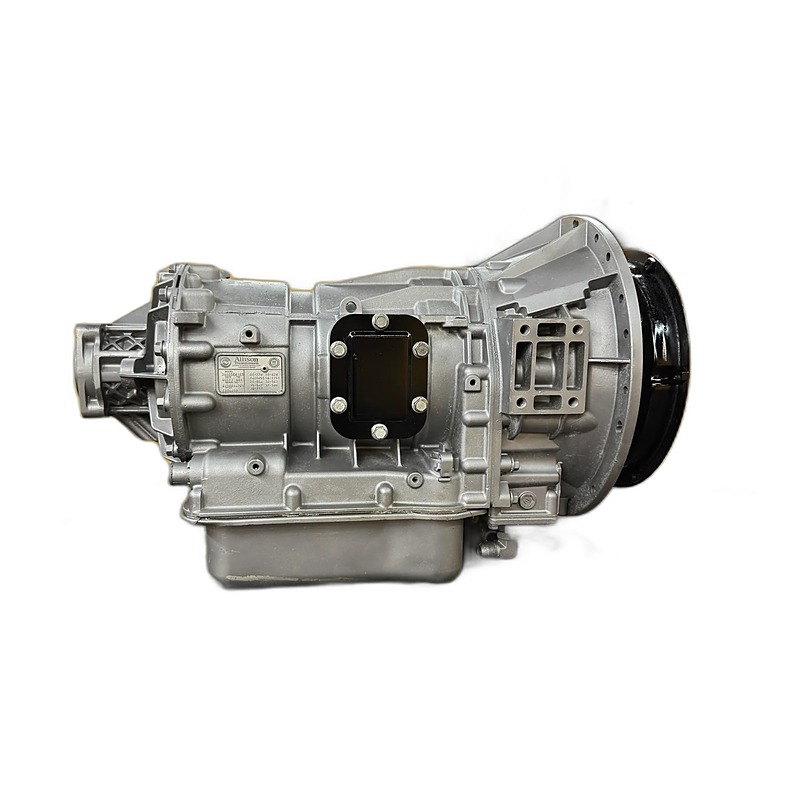
▲ Allison 2000 Transmission Workpiece — ready for bench test: https://www.taianbeaconmachine.com/Product/BCZB-4-Automatic-Transmission-Test-Bench-110KW-Professional-Gearbox-Tester.html
▲ BCZB-4 hydraulic test channels + TCM power supply — see full specs: https://www.taianbeaconmachine.com/Product/BCZB-4-Automatic-Transmission-Test-Bench-110KW-Professional-Gearbox-Tester.html
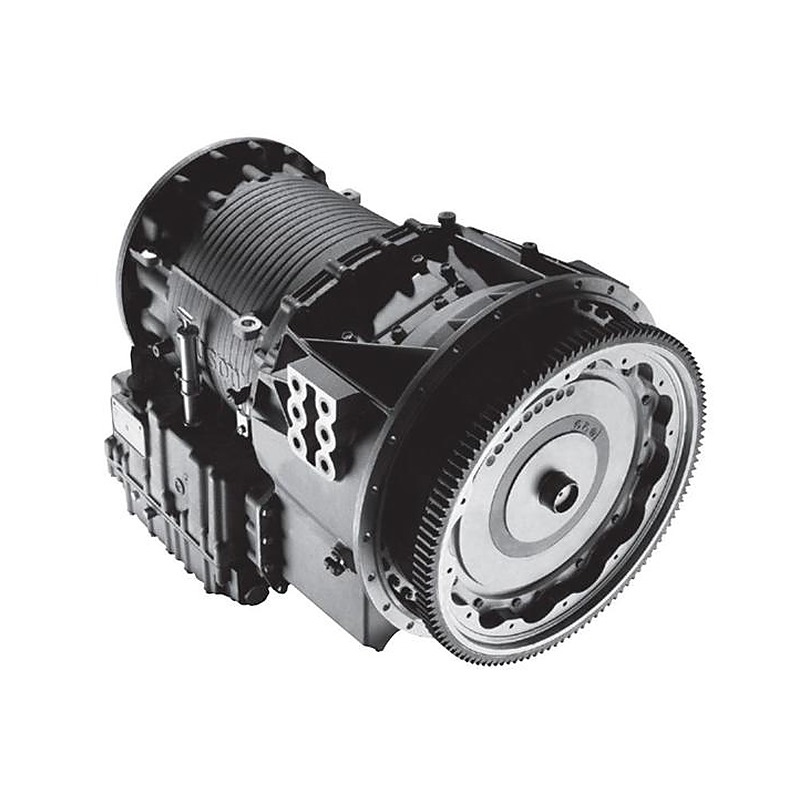
▲ BCZB-4 control panel with on-screen pressure / temperature / RPM — see full specs: https://www.taianbeaconmachine.com/Product/BCZB-4-Automatic-Transmission-Test-Bench-110KW-Professional-Gearbox-Tester.html
The BCZB-4 supports Allison 1000, Allison 2000 and Allison 4000 in the same bench — so a workshop rebuilding this transmission family only needs one unit to cover the entire Allison heavy-duty line. Contact BEACON Machine for a formal quotation (EXW Jinan / FOB Shanghai / CIF available) and to confirm adapter availability for your specific Allison model.
The Allison 2000 is a durable transmission, but it is not maintenance-free. Most failures across medium-duty trucks (Chevrolet Kodiak, GMC Topkick, Ford F-450/F-550), school buses (Bluebird, IC Bus, Thomas Built) and RVs (Workhorse, Fleetwood) are preventable by disciplined oil analysis, scheduled filter service, regular electrical connector inspection and a systematic diagnostic procedure. When faults do occur, follow the DTC + live data + physical inspection + bench test workflow before reinstalling the unit back into the vehicle. For workshops that rebuild the Allison 2000 family, the BEACON BCZB-4 automatic transmission test bench provides the controlled-load confirmation step that separates a clean delivery from a warranty comeback.