Language
  EN
EN RU
RU ES
ES DE
DE EL
EL IT
IT JA
JA KO
KO PT
PT ID
ID SR
SR UK
UK VI
VI TH
TH TR
TR MS
MS BE
BE AR
ARWhy DPF and SCR Regeneration Is Essential for Diesel Vehicle Performance and Compliance
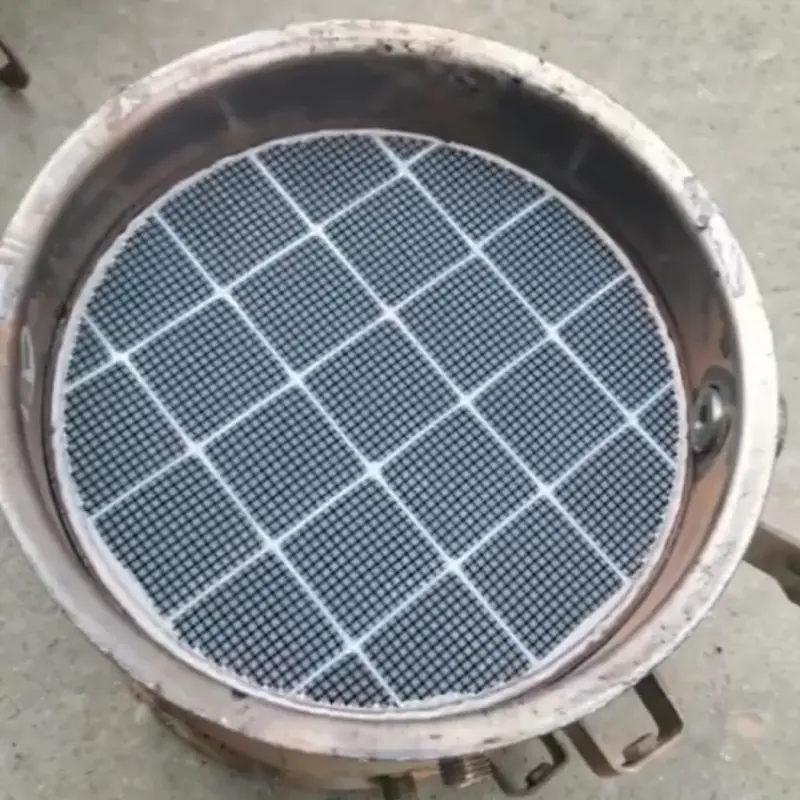
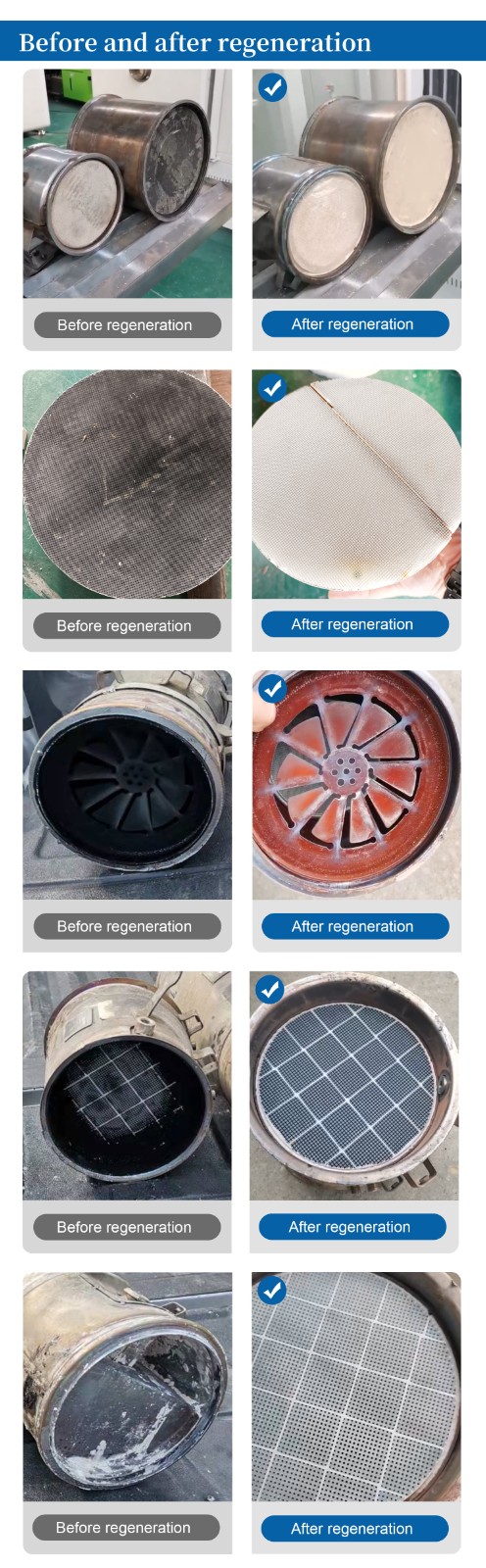
For modern diesel vehicles, compliance with stringent emissions regulations and long-term reliability hinge on two vital aftertreatment components: the Diesel Particulate Filter (DPF) and Selective Catalytic Reduction (SCR) system. While these technologies work in tandem to reduce harmful pollutants, their effectiveness depends entirely on proper regeneration and regular cleaning. Neglecting these maintenance needs doesn’t just risk costly repairs—it compromises performance, violates environmental laws, and shortens your vehicle’s lifespan. Let’s break down why these processes are non-negotiable.
Understanding DPF and SCR: What They Do
Before diving into maintenance, it’s key to grasp how these systems function as a team:
· DPF (Diesel Particulate Filter): Acts as a physical barrier to trap particulate matter (PM), including soot and ash, from diesel exhaust. EPA-verified DPFs reduce PM emissions by 85-90% or more, preventing harmful particles from entering the atmosphere U.S. Environmental Protection Agency.
· SCR (Selective Catalytic Reduction): Converts up to 90% of nitrogen oxides (NOx)—a major contributor to air pollution and smog—into harmless nitrogen (N₂) and water (H₂O) using Diesel Exhaust Fluid (DEF) California Air Resources Board. Unlike the DPF, it relies on a chemical reaction rather than physical filtration, making its catalyst efficiency critical.
Together, they ensure compliance with global emissions standards like EPA regulations and EURO 4-6, which are increasingly strict to protect air quality .
Why DPF Regeneration Is Non-Negotiable
Regeneration is the DPF’s built-in process to burn off accumulated soot, and it comes in three forms :
· Passive Regeneration: Occurs automatically during highway driving when exhaust temperatures exceed 1,000°F, burning soot without driver intervention.
· Active Regeneration: Triggered by the engine’s ECU when soot levels rise, using extra fuel to raise exhaust temperatures and initiate combustion.
· Forced Regeneration: Requires manual activation by a technician when passive/active cycles fail.
Without regular regeneration:
Increased Exhaust Backpressure: Clogged soot blocks exhaust flow, forcing the engine to work harder. This leads to reduced power, sluggish acceleration, and diminished towing capacity U.S. Environmental Protection Agency.
Poor Fuel Economy: A blocked DPF makes the engine burn more fuel to compensate for restricted airflow. Frequent missed regenerations only worsen this, hiking operating costs .
Catastrophic Damage: Unaddressed clogs can trigger engine derating (limp mode) or complete DPF failure. Replacing a DPF can cost up to $10,000, a expense easily avoided with proper maintenance .
Legal Risks: Tampering with DPF systems (e.g., bypassing, disabling regeneration) violates emissions laws worldwide, leading to fines, warranty voids, and even vehicle impoundment .
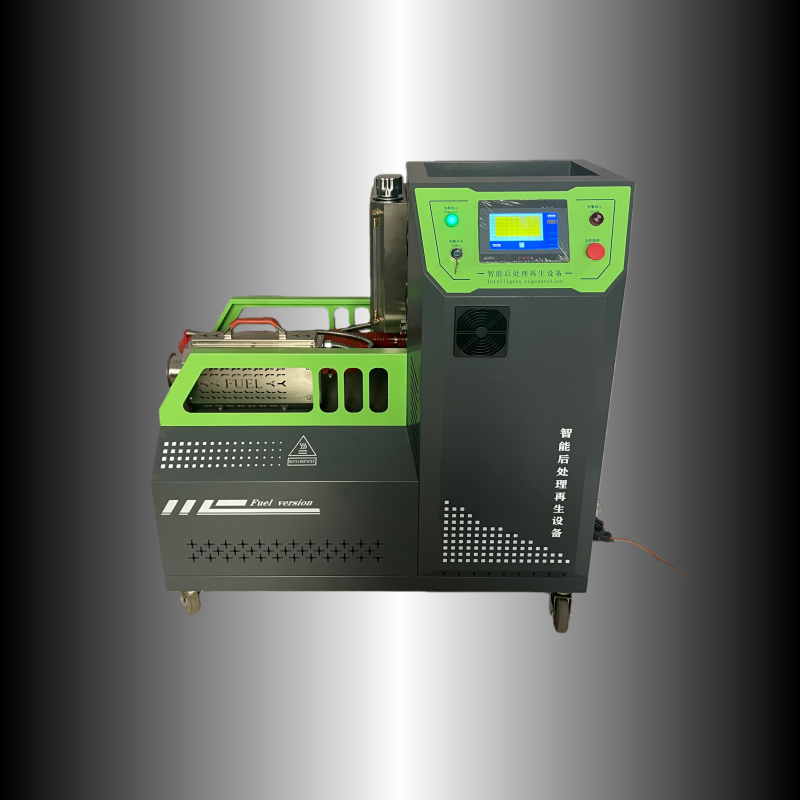
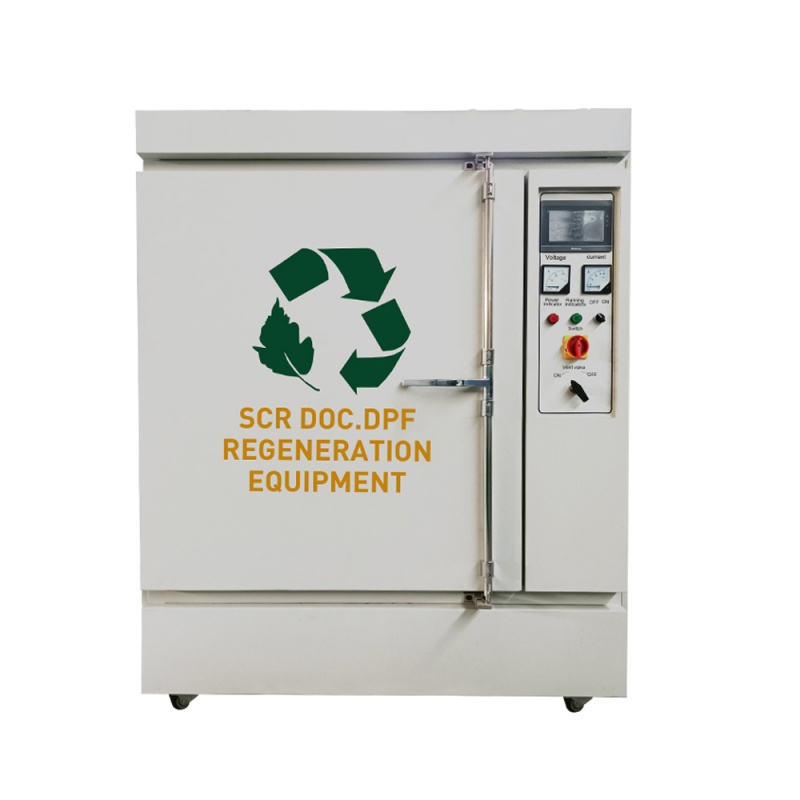
Here is our solution for DPF cleaning :
Related products
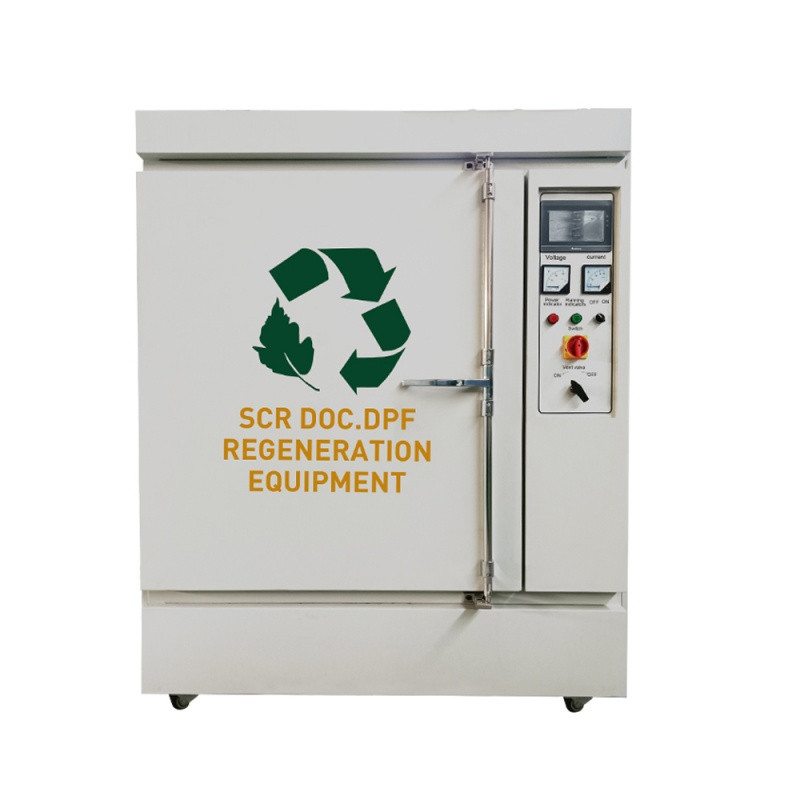
DPF-RGB 20KW Intelligent High-Temperature Regeneration Furnace Professional SCR DOC DPF Cleaning Oven
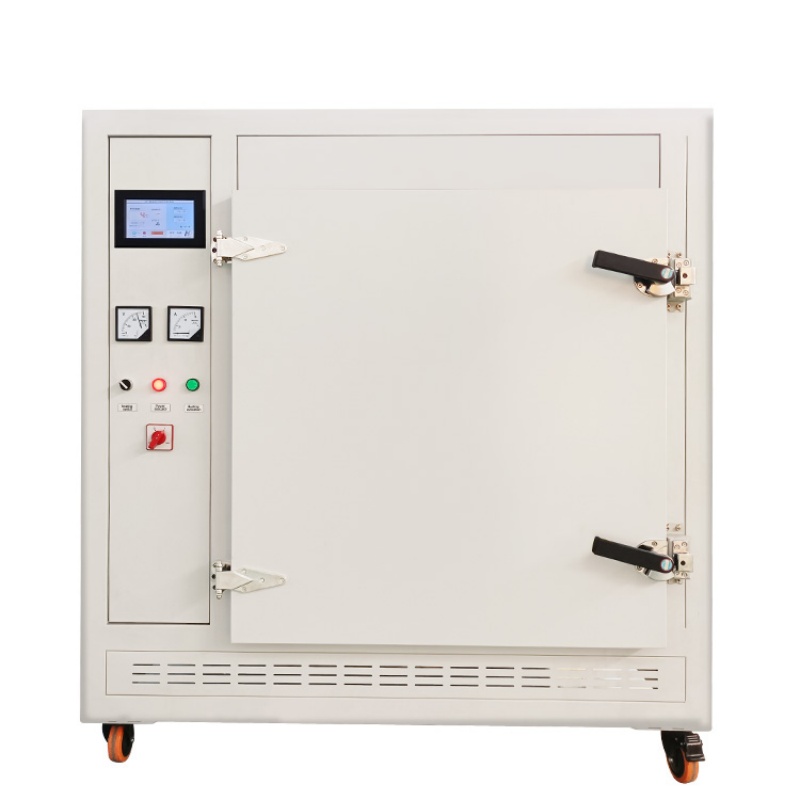
DPF-RGA DPF Regeneration System Professional Diesel Particulate Filter Cleaning Machine
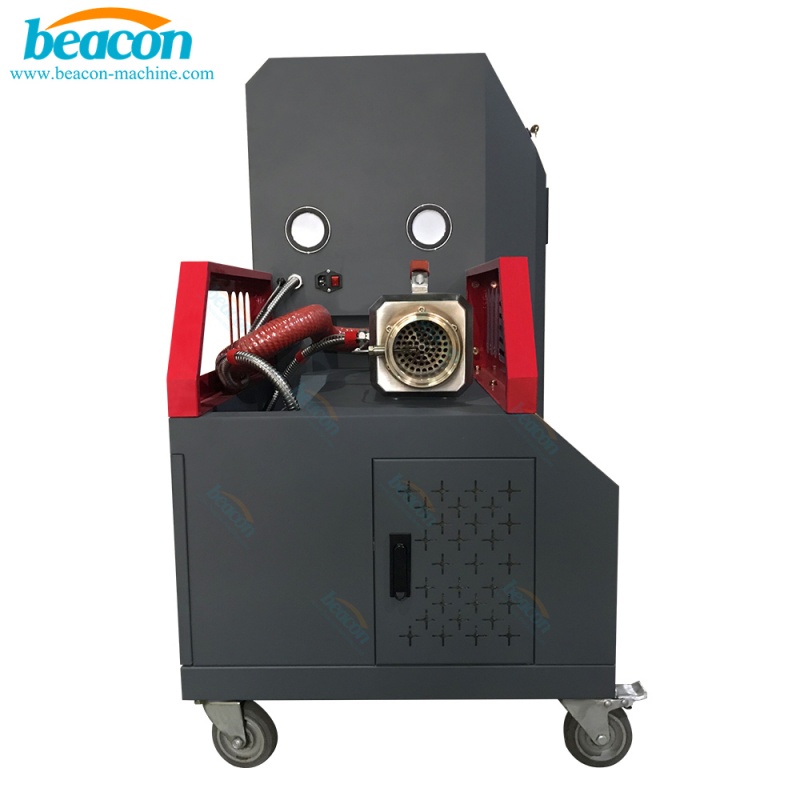
DPF-CL (S) Intelligent DPF Regeneration Machine High-Efficiency Post-Treatment Cleaning System
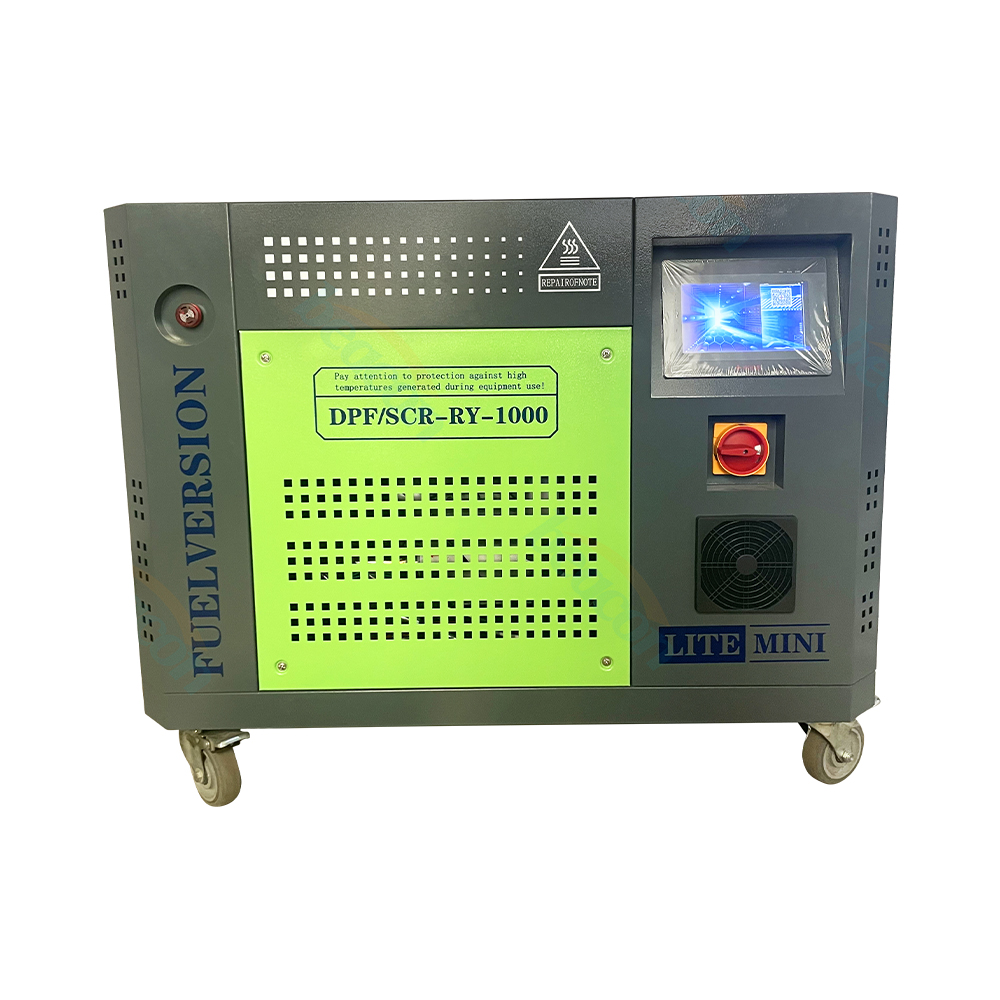
DPF-CL MINI FUEL Intelligent DPF Regeneration Machine Portable Thermal Cleaning System
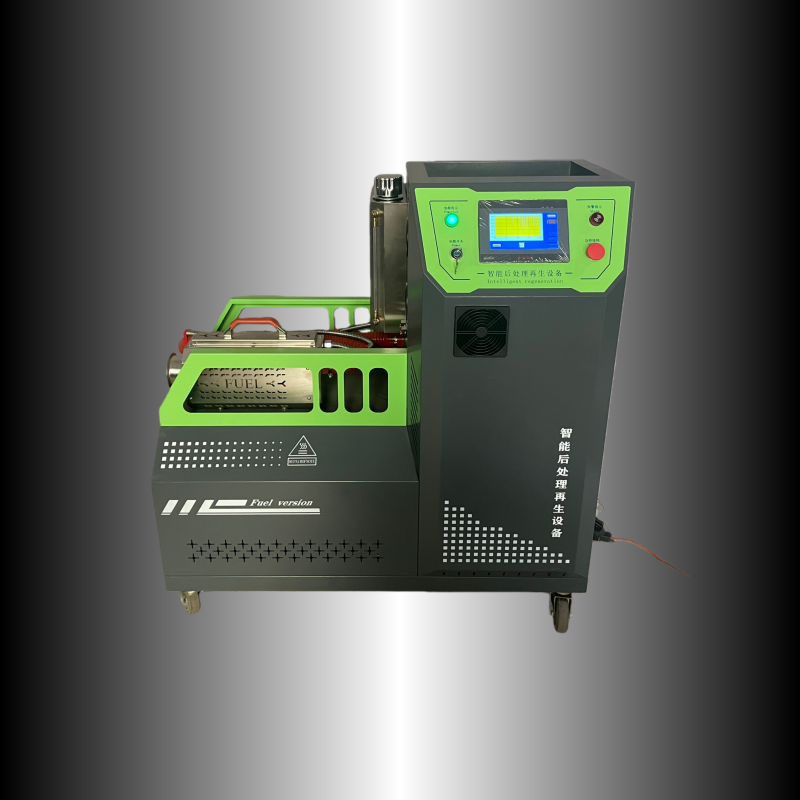
DPF-CL Fuel Version Intelligent Post-treatment Regeneration Machine High-Efficiency DPF Cleaner