Language
  EN
EN RU
RU ES
ES DE
DE EL
EL IT
IT JA
JA KO
KO PT
PT ID
ID SR
SR UK
UK VI
VI TH
TH TR
TR MS
MS BE
BE AR
ARBrake Disc and Drum Lathe Guide: Complete Guide to Machining Brake Rotors and Drums
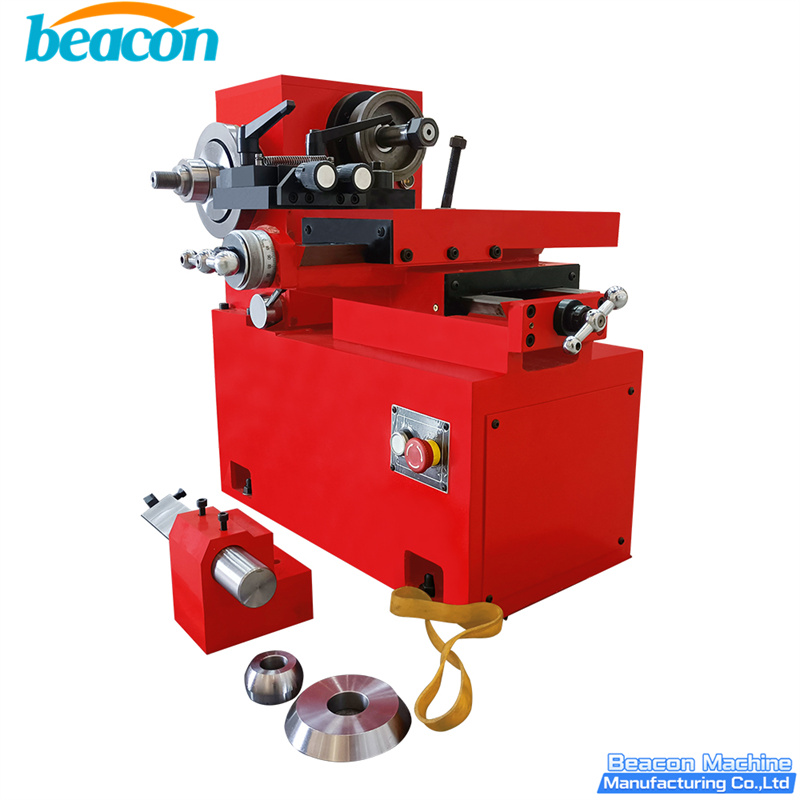
A brake disc and drum lathe (also called a brake rotor resurfacing machine or brake lathe) is an essential piece of equipment for any professional automotive repair shop that services braking systems. Instead of replacing brake discs and drums on every service, a quality brake lathe allows you to resurface them to factory specifications, saving customers money while maintaining safety and performance.
When Should Brake Discs and Drums Be Machined?
Brake rotor and drum machining is recommended in these situations:
- Brake pedal pulsation or vibration — Warped rotors cause the brake pedal to pulse during braking
- Brake noise (squealing or grinding) — Uneven wear surfaces create abnormal noise
- Visible grooves or scoring — Deep grooves on the braking surface reduce braking efficiency
- Runout exceeds specification — Lateral runout measured with a dial indicator exceeds manufacturer limits (typically 0.002-0.005 inch / 0.05-0.13 mm)
- Thickness variation — Disc thickness variation (DTV) causes pulsation and should be corrected
- Rust or corrosion — Surface rust on rotors that have been sitting for extended periods
- Routine brake service — Professional shops often machine rotors and drums whenever brake pads or shoes are replaced to ensure optimal contact between new friction material and the braking surface
Brake Disc vs Brake Drum Machining: What is the Difference?
| Feature | Brake Disc (Rotor) Machining | Brake Drum Machining |
|---|---|---|
| Surface | Flat parallel surfaces on both sides | Cylindrical inner surface |
| Key Parameters | Thickness, runout, surface finish | Inner diameter, roundness, taper |
| Cutting Process | Twin cutter tool (both sides simultaneously) | Single cutter tool, internal boring |
| Wear Limit | Minimum thickness marked on rotor | Maximum diameter marked on drum |
How a Brake Disc and Drum Lathe Works
1. Mounting the Rotor or Drum
The brake disc or drum is mounted on the lathe spindle using the appropriate adaptor. Most passenger car rotors are mounted using the wheel hub pilot hole for centering. The C9335A brake disc and drum lathe uses a direct wheel screw connection for accurate centering.
2. Setting the Cutting Parameters
The operator selects the appropriate spindle speed and feed rate based on the material and desired surface finish. The C9340 lathe offers stepless variable speed for precise control across different rotor sizes.
3. Machining the Surface
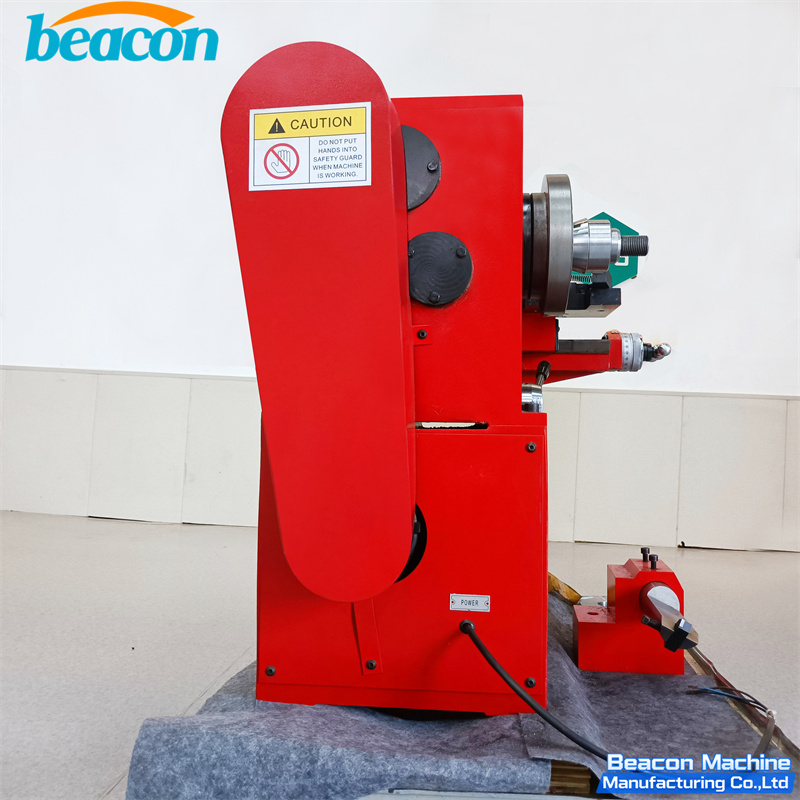
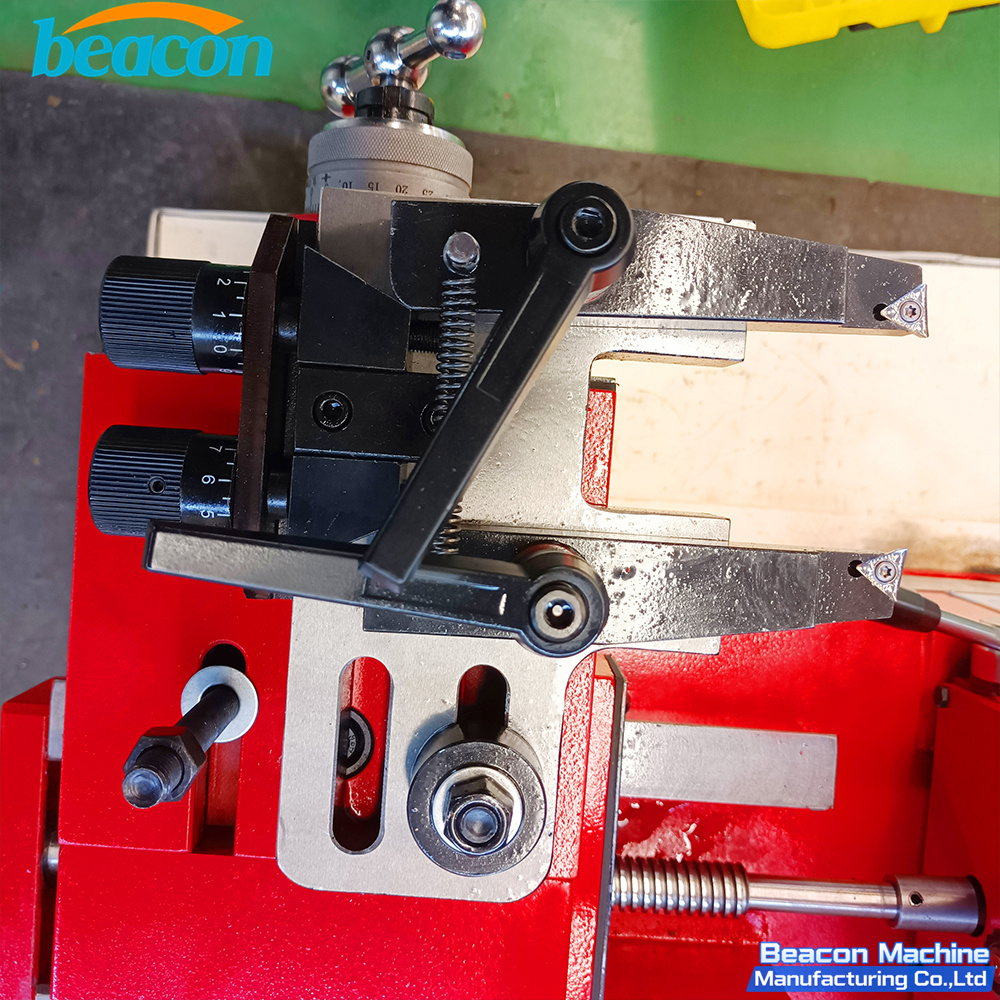
The cutting tool removes a thin layer of material from the braking surface to eliminate grooves, scoring, and runout. The C9335A features an optimized double-knife structure for efficient dual-side disc cutting and an oil-free self-lubricating ball screw for smooth automatic feeding.
4. Final Surface Finish
The machined surface should have a fine, uniform finish with the correct micro-finish for proper brake pad seating. Typical surface finish requirements are 0.5-1.5 microns (20-60 microinches) RA.
What Type of Brake Lathe Do You Need?
Passenger Car and Light Truck
For shops servicing cars, SUVs, and light trucks, a compact bench-top lathe like the C9335A is ideal. It handles brake discs and drums from 180-350 mm, covers almost all passenger vehicles, and weighs only 200 kg for easy workshop placement.
Medium to Heavy-Duty Trucks and Buses
For larger vehicles, a heavy-duty lathe is required. The T8465 heavy-duty brake disc and drum lathe is designed for large and medium commercial vehicle braking components, with higher torque and larger processing capacity.
Common Causes of Brake Rotor and Drum Damage
- Overheating — Repeated hard braking causes thermal stress and warping
- Hard spots — Localized metallurgical changes from extreme heat create hard spots that cause uneven wear and noise
- Improper lug nut torque — Uneven tightening distorts the rotor causing runout
- Pad deposits — Brake pad material transferred to the rotor creates thickness variation
- Corrosion — Rust on rotors that sit for long periods, common in humid environments
- Worn wheel bearings — Excessive play causes the rotor to wobble and wear unevenly
When to Replace vs Machine
Always measure thickness before machining. If the rotor or drum is already at or near the minimum wear limit (cast into the component), replacement is necessary. As a rule of thumb:
- Machine when thickness is above the discard limit and the surface has grooves, rust, or minor runout
- Replace when below minimum thickness, cracked, severely worn, or if it has been machined before and is now near the limit
Conclusion
A quality brake disc and drum lathe is a valuable investment for any automotive repair shop. It allows you to restore braking components to factory specifications, provide better service to customers, and increase workshop profitability. For shops serving passenger cars and light trucks, the C9335A brake disc and drum lathe offers professional-grade performance at an affordable price. For larger vehicles, the T8465 heavy-duty model provides the extra capacity needed.
Related products
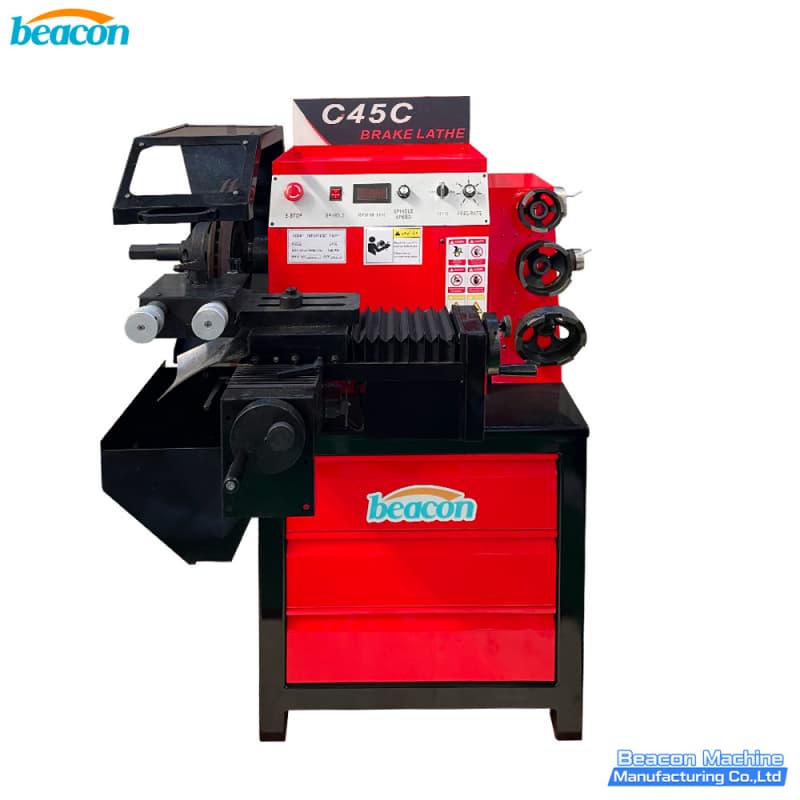
C45C Brake Disc Lathe Car Brake Disc Drum Cutting Turning Machine for Small & Medium Vehicles
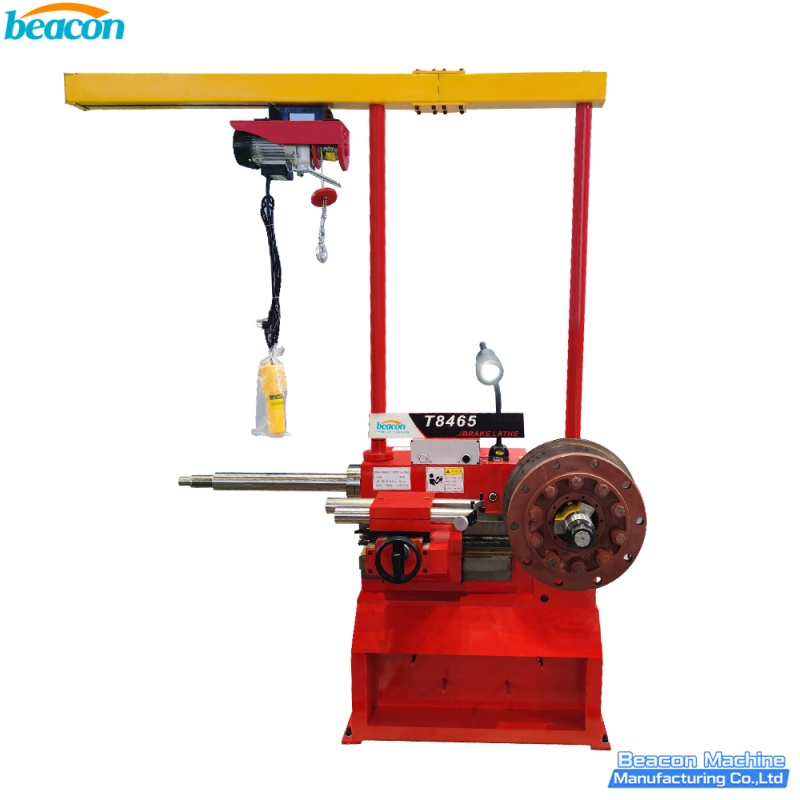
T8465 Heavy Duty Brake Disc and Drum Lathe Professional Resurfacing Machine for Large & Medium Vehicles
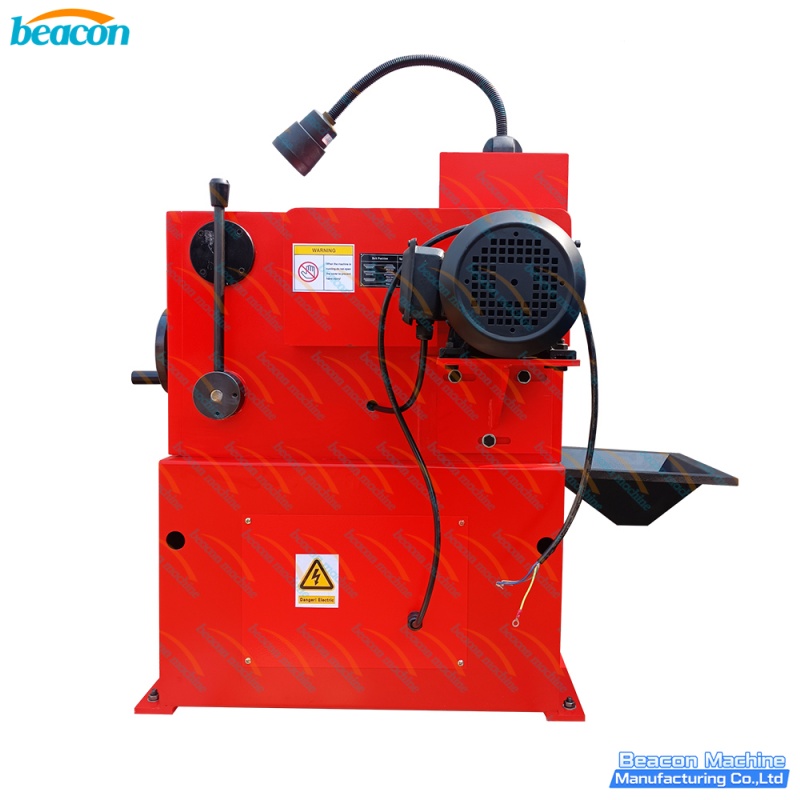
T8445A Brake Drum and Disc Lathe Machine Precision Repair Station for Luxury Cars & SUVs
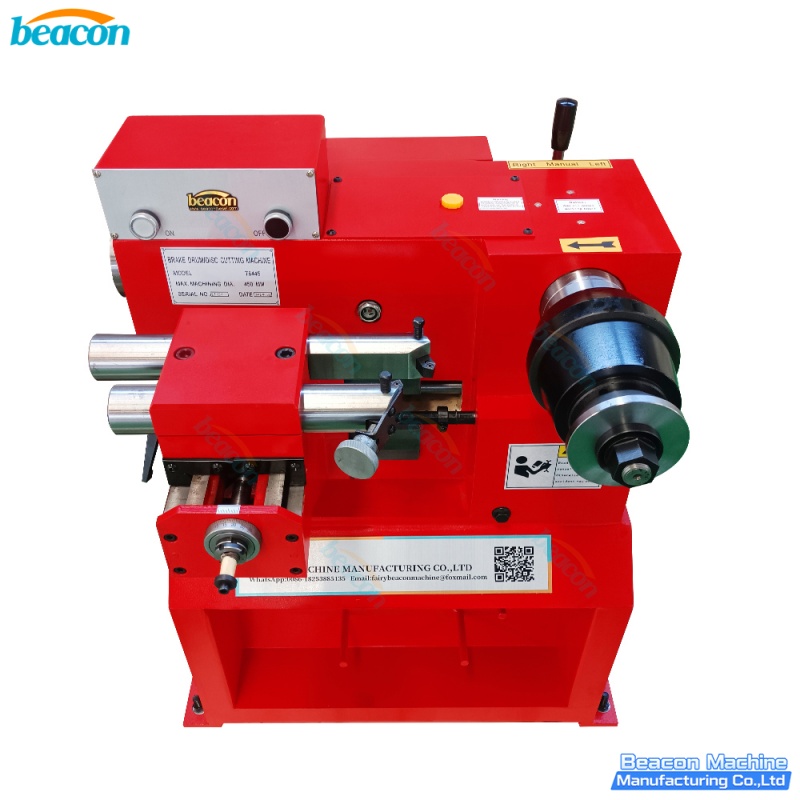
T8445 Brake Drum and Disc Lathe Machine Professional Rotor Resurfacing Tool for Cars and SUVs
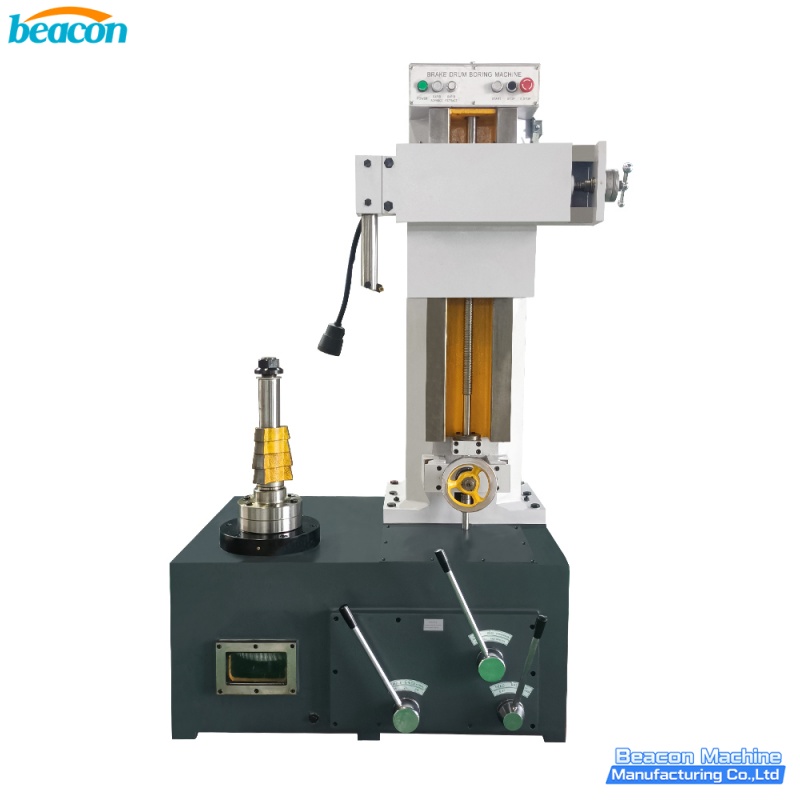
T8370A Heavy Duty Brake Drum Boring Machine Vertical Brake Lathe for Large Trucks & Buses
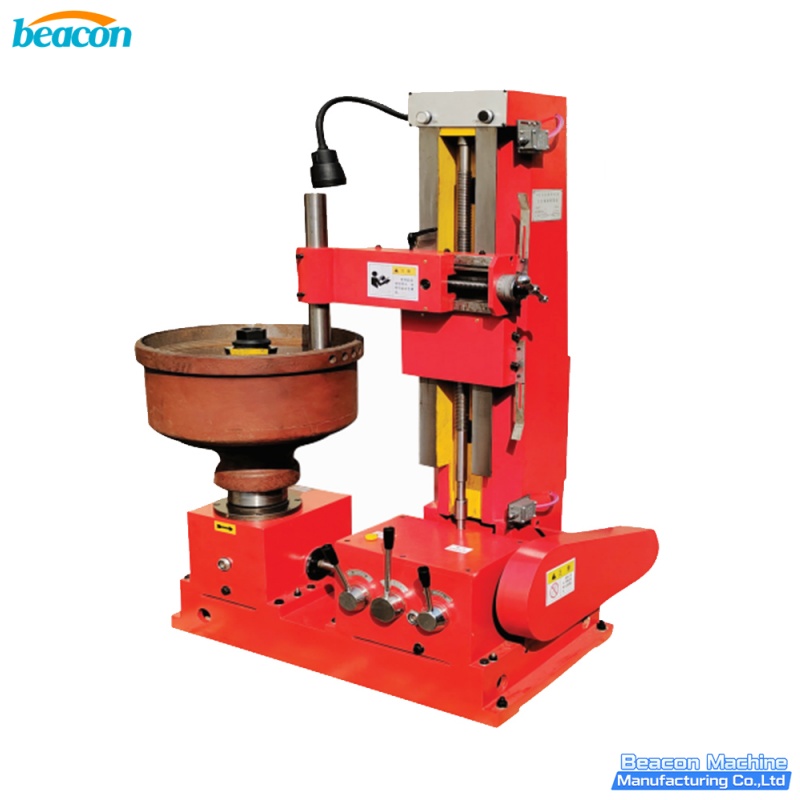
T8362 Vertical Brake Drum Boring Machine Heavy-Duty Brake Lathe for Trucks, Lorries and Buses