Language
  EN
EN RU
RU ES
ES DE
DE EL
EL IT
IT JA
JA KO
KO PT
PT ID
ID SR
SR UK
UK VI
VI TH
TH TR
TR MS
MS BE
BE AR
ARHow Transmission Test Benches Work: Core Principles & Full Testing Process
How Does a Transmission Test Bench Work? A Complete Guide
Transmissions serve as the critical power distribution system in vehicles, converting engine output into usable torque and adjustable speed for diverse driving scenarios. Before installation, manufacturers and repair centers rely on transmission test benches to validate reliability, performance and durability under controlled conditions. This guide breaks down the core purpose, key components, step-by-step operation and value of transmission test systems.
Core Purpose of a Transmission Test Bench
The test bench replicates the interaction between a transmission and engine, drivetrain and real‑world load in a lab environment. It enables technicians to:
Verify smooth, accurate gear shifting
Measure torque capacity, power loss and efficiency
Detect leaks, abnormal noise and vibration
Evaluate long‑term durability under high load or frequent shifting
Calibrate transmission control modules (TCM) for optimal performance
It turns subjective judgment into data‑driven validation, essential for quality control and reliable repairs.
5 Core Components of a Transmission Test Bench
1. Power Source (Prime Mover)
Mimics engine power to drive the transmission input.
Electric motors: Most widely used for precise speed/torque control, reversibility and energy efficiency.
Internal combustion engines: Used for realistic torque curve matching, less common due to cost and regulations.
2. Load Simulation System
Creates resistance simulating uphill, heavy load or highway cruising. A dynamometer (dyno) absorbs output power, adjustable for constant, variable or shock load scenarios. Regenerative dynos can recycle power as electricity.
3. Control & Measurement System (The “Brain”)
A computerized system manages the test bench and collects real‑time data:
Controls speed, torque and load per programmed cycles
Communicates with TCM to simulate ECU interaction
Measures torque, speed, hydraulic pressure, temperature and shift time
Generates charts and reports for performance analysis
4. Mounting & Coupling System
Secures the transmission and ensures precise alignment between power source, transmission and dyno. Includes adjustable brackets, flexible couplings and high‑precision shafts to avoid vibration or damage.
5. Auxiliary Systems
Support safe, stable operation:
Lubrication: Supplies ATF or gear oil and monitors condition
Cooling: Prevents overheating during prolonged high‑load testing
Safety: Emergency stop, overload protection and leak detection
Step‑by‑Step Operation of a Transmission Test Bench
Setup & CalibrationMount the transmission, align components, connect sensors and TCM, calibrate the system for accuracy.
Pre‑Test ChecksActivate lubrication and cooling to reach proper fluid level and temperature.
Simulate Operating ConditionsPower source drives input; dyno applies preset load to mimic real driving.
Test & Data CaptureControl system triggers shifts and records shifting smoothness, torque efficiency, temperature and anomalies.
Repeat & ExpandTest across multiple loads, speeds and shift patterns to cover full operating range.
Analyze & ValidateSoftware generates reports; technicians judge compliance with quality standards. Faulty units are repaired and retested.
Why Transmission Test Benches Are Indispensable
Road testing alone is time‑consuming, costly and inconsistent due to weather, road conditions and driver behavior. Test benches provide full control over variables and precise measurement. For manufacturers, they ensure only high‑quality units reach market. For repair shops, they confirm repaired transmissions perform reliably before reinstallation, reducing rework and complaints.
Final Takeaway
Transmission test benches integrate precision mechanics and digital control to simulate real‑world conditions and quantify every critical metric. They are foundational to automotive quality, reliability and efficiency, supporting both production and aftermarket service worldwide.
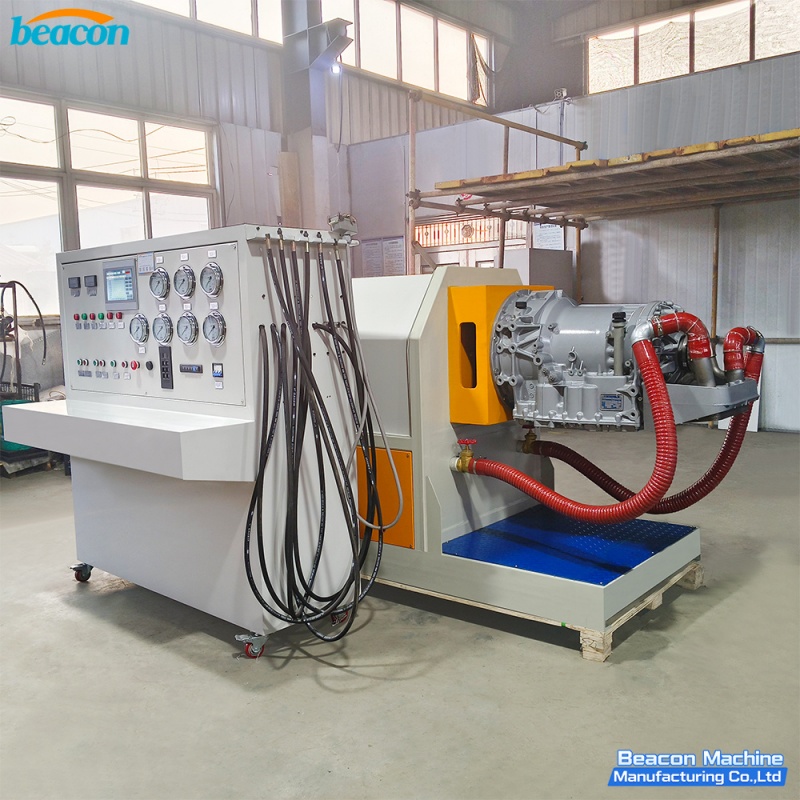
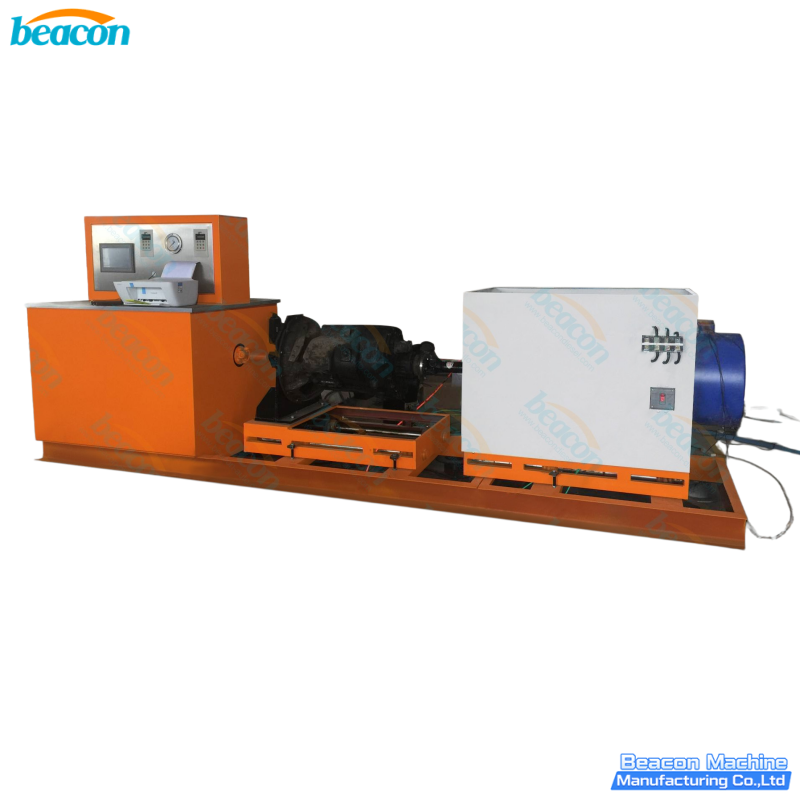
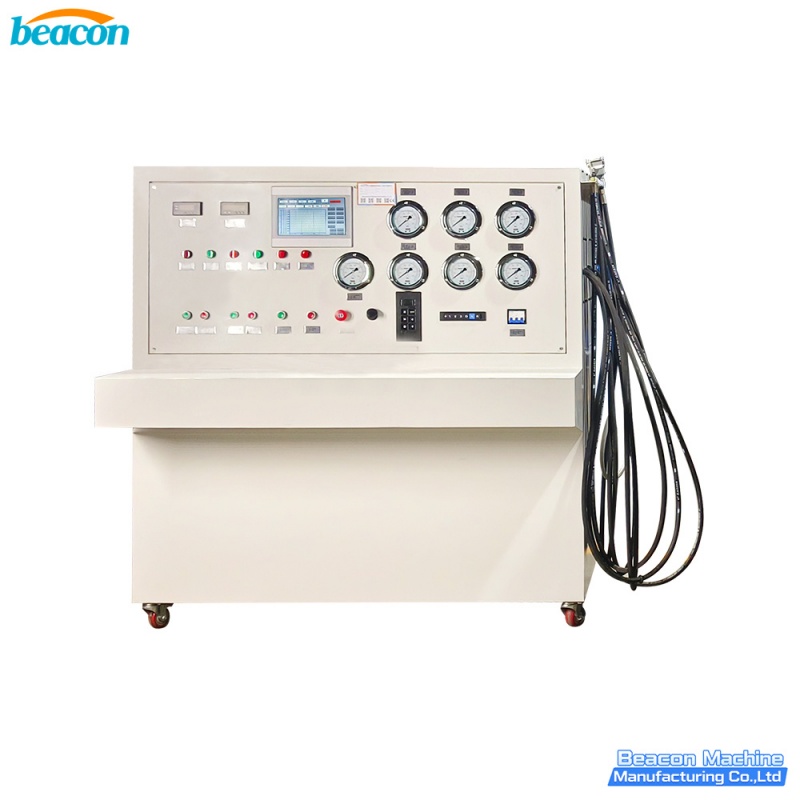
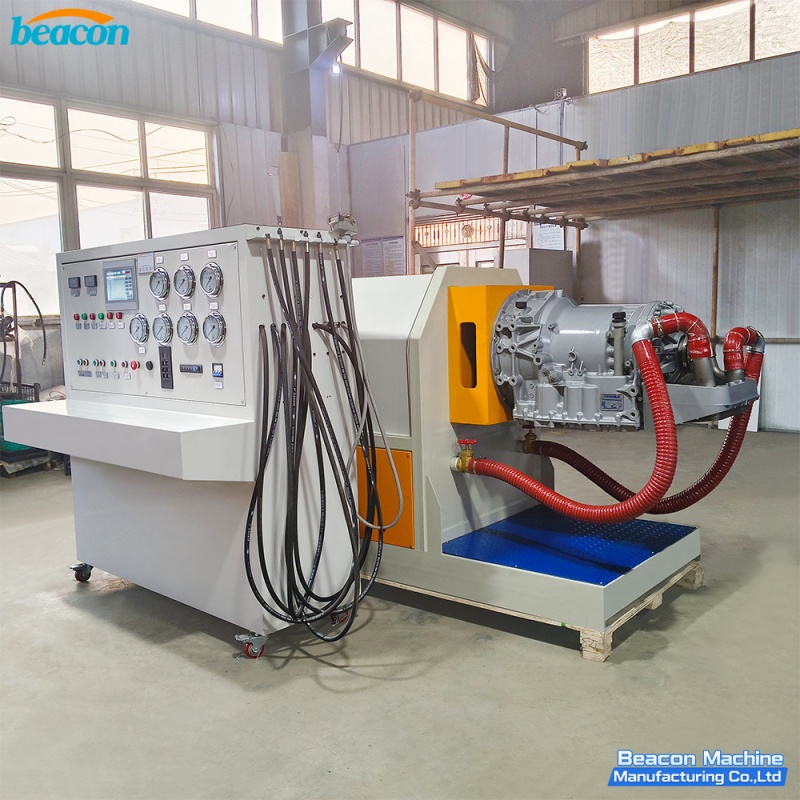
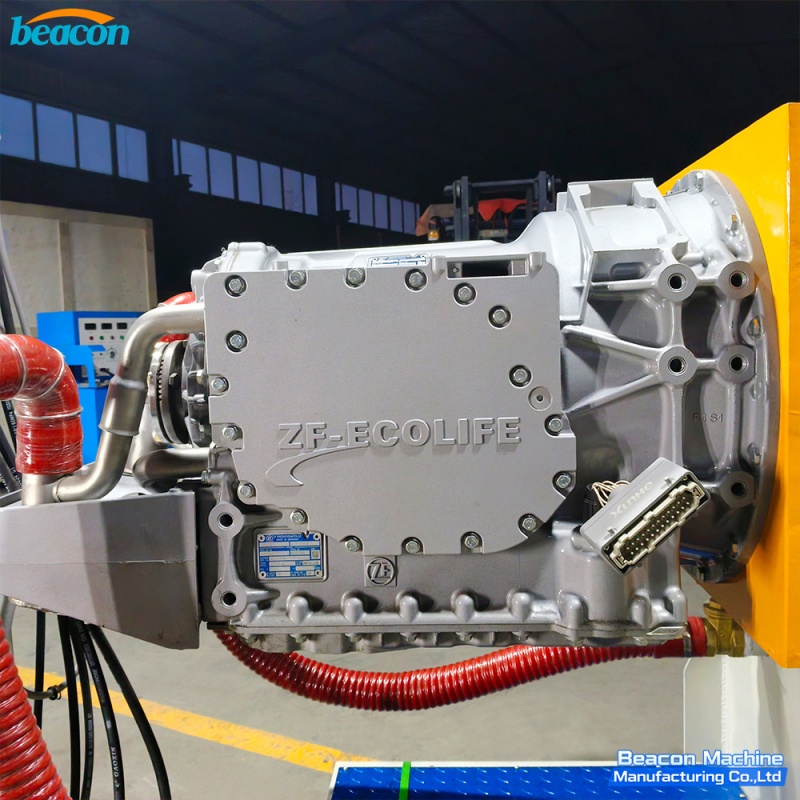
To Testing Transmission,the currently best solution from the market is from BEACON MACHINE BCZB-4 Automatic Transmission Test Bench: